Kitchen Renovation Guide (2026): Costs, Timeline, Layouts & Smart Planning

A kitchen renovation is one of the most impactful upgrades you can make to your home. It improves daily living, increases property value, and transforms how your space functions. However, without proper planning, a kitchen renovation can quickly become stressful, expensive, and delayed. This guide breaks down kitchen renovation costs, timelines, layouts, and design decisions to help you renovate with confidence in 2026.
How Much Does a Kitchen Renovation Cost?
Kitchen renovation costs vary based on size, layout, materials, and labor. In 2026, most homeowners can expect the following ranges:
Small kitchens: $15,000–$30,000
Mid-range kitchens: $30,000–$60,000
High-end kitchens: $60,000–$100,000+
The biggest cost drivers are cabinetry, countertops, labor, appliances, and layout changes. Cabinets alone can account for up to 40% of the total budget. Structural changes, plumbing relocations, and electrical upgrades also increase costs quickly. Setting a realistic budget early and prioritizing function over trends helps prevent overspending.
Kitchen Renovation Timeline: What to Expect
A typical kitchen renovation takes 6–12 weeks, but planning often starts well before construction begins.
Design & planning: 2–4 weeks
Ordering materials: 2–8 weeks
Construction & installation: 3–6 weeks
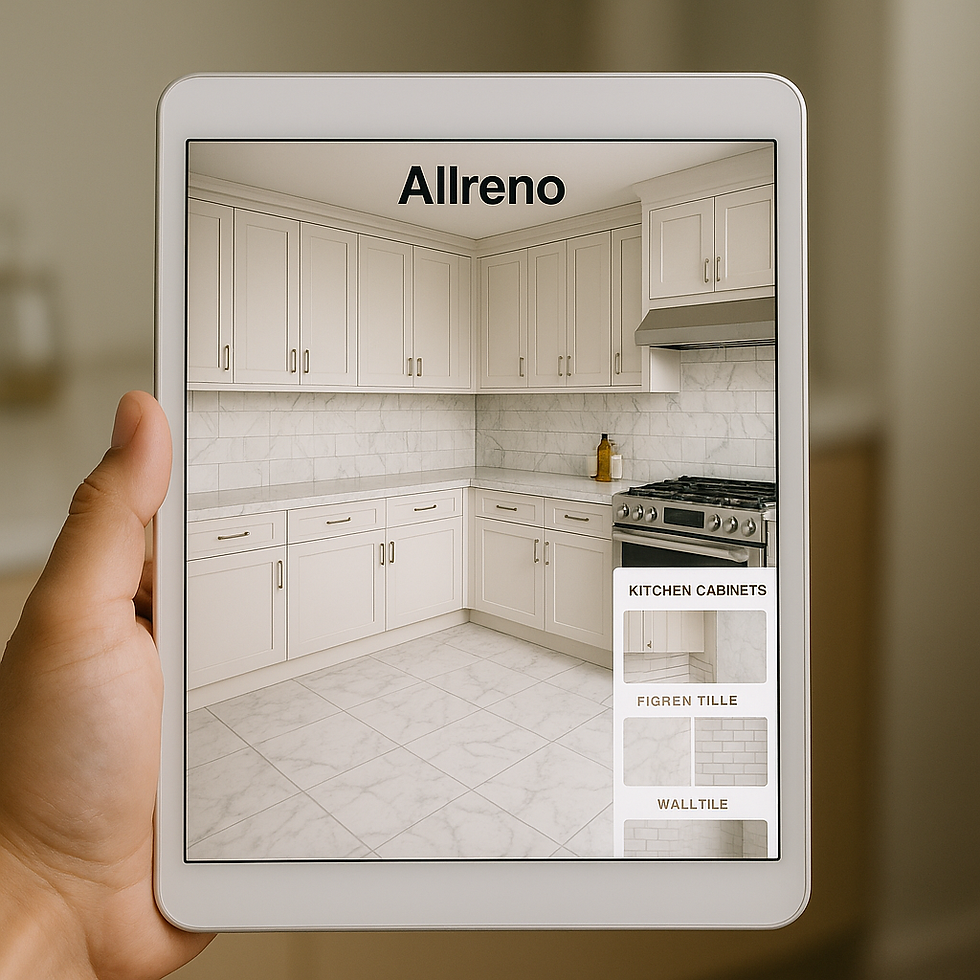
Delays commonly happen due to backordered cabinets, last-minute design changes, or unclear plans. Most renovation problems occur before construction even starts, which is why clear layouts and early visualization are critical.
Choosing the Right Kitchen Layout
Your kitchen layout affects workflow, storage, and cost more than almost any other decision.

Galley kitchens are ideal for apartments and small homes. They are efficient, budget-friendly, and rely on smart storage solutions.
L-shaped kitchens offer flexibility and an open feel, making them popular for modern homes.
U-shaped kitchens provide maximum storage and counter space but require adequate room to avoid feeling cramped.
Island kitchens add seating and functionality but need careful space planning to maintain proper clearance.
Choosing the right layout early helps avoid costly changes later.
Design Choices That Matter Most
Some design decisions have a bigger impact than others:
Kitchen Cabinets: Shaker-style cabinets remain the most popular due to their timeless look and versatility.
Countertops: Quartz is favored for durability and low maintenance, while marble offers luxury at a higher upkeep cost.
Flooring: Porcelain tile and waterproof engineered wood are top choices for durability and moisture resistance.
Lighting: Under-cabinet and task lighting dramatically improve both function and ambiance.
Durable, timeless materials often provide better long-term value than trend-driven choices.
Common Kitchen Renovation Mistakes to Avoid
Many homeowners regret prioritizing appearance over functionality. Common mistakes include underestimating storage needs, skipping professional planning, and not visualizing the final layout before construction. Poor planning often leads to delays, added costs, and design compromises that are difficult to fix later.
Is a Kitchen Renovation Worth It?
A well-executed kitchen renovation consistently delivers one of the highest returns on investment in home improvement. Beyond resale value, it improves daily efficiency, comfort, and enjoyment. Homeowners who plan carefully and make informed design decisions get the best results with less stress.
Final Thoughts
A successful kitchen renovation isn’t about rushing into construction—it’s about smart planning. Understanding costs, timelines, layouts, and design priorities helps you avoid mistakes and renovate with confidence. When everything is planned clearly before work begins, the renovation process becomes smoother, faster, and far more rewarding.


Comments